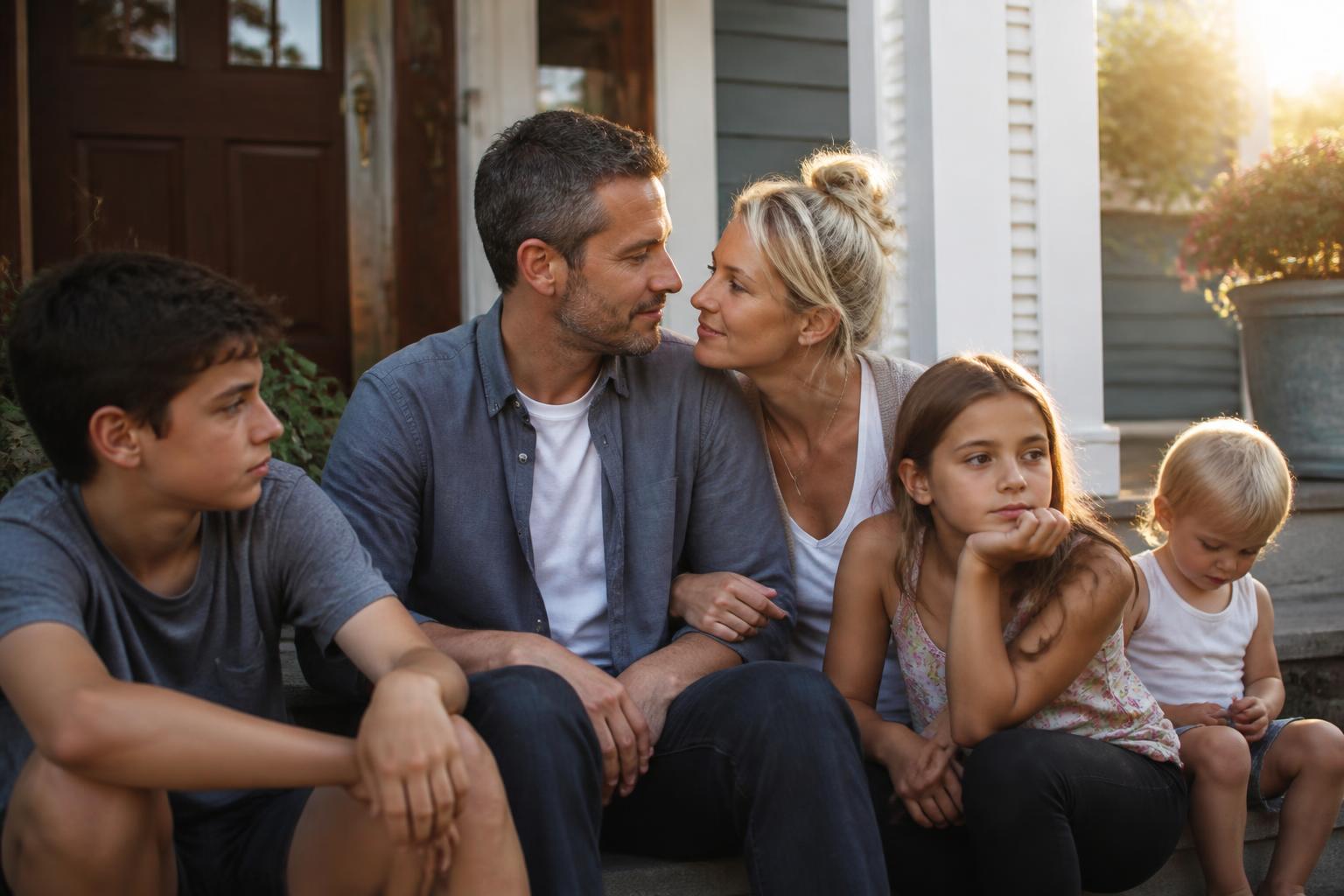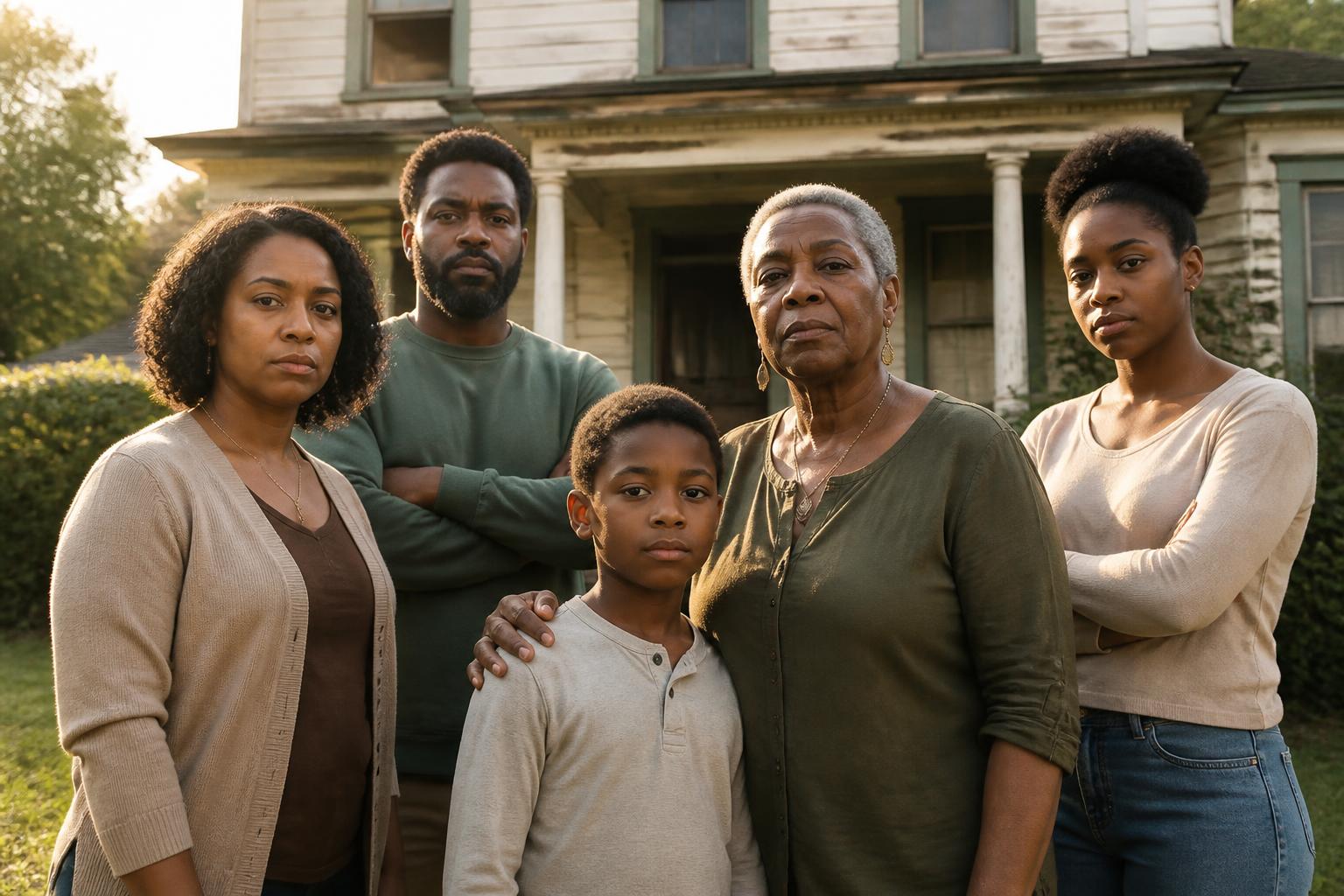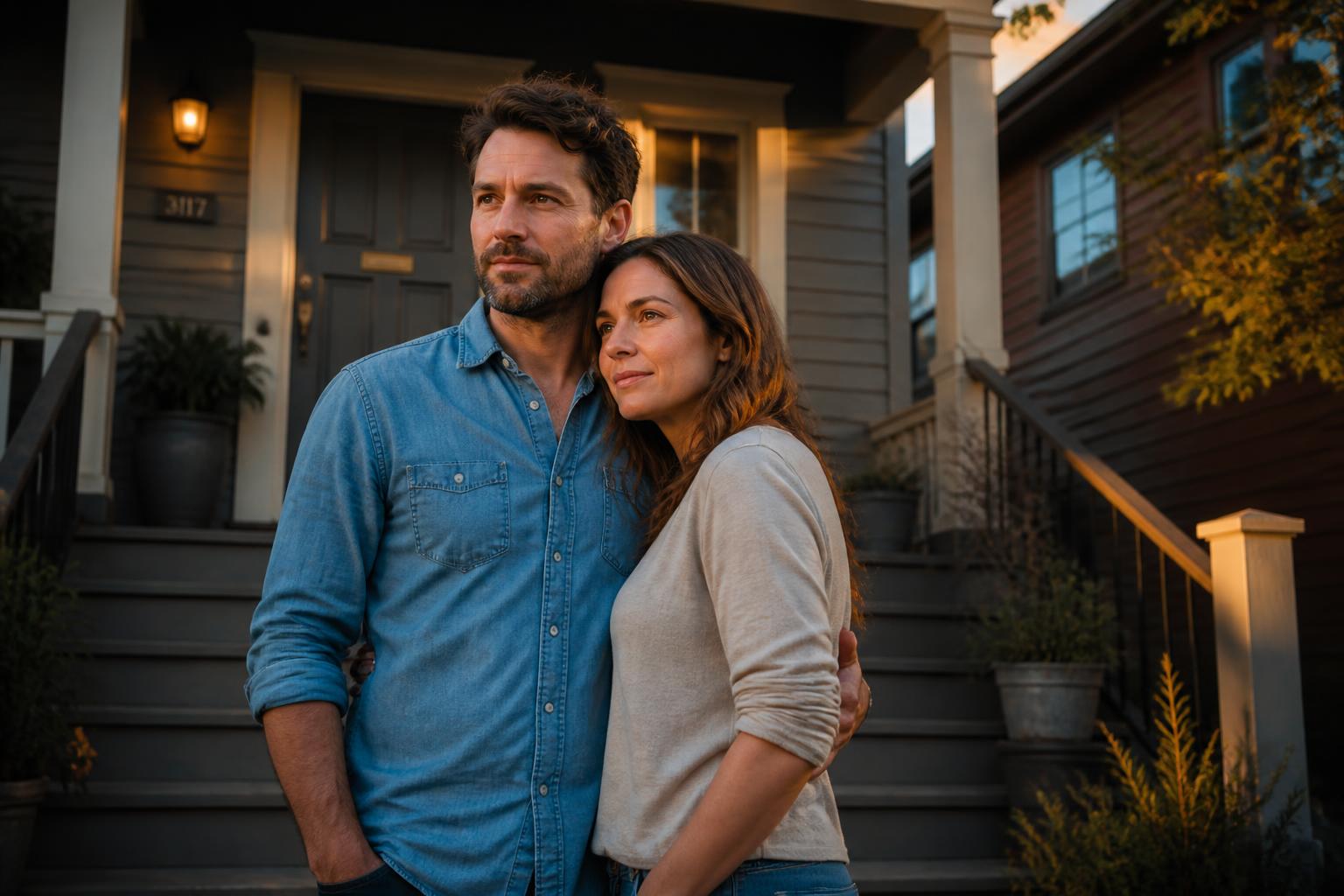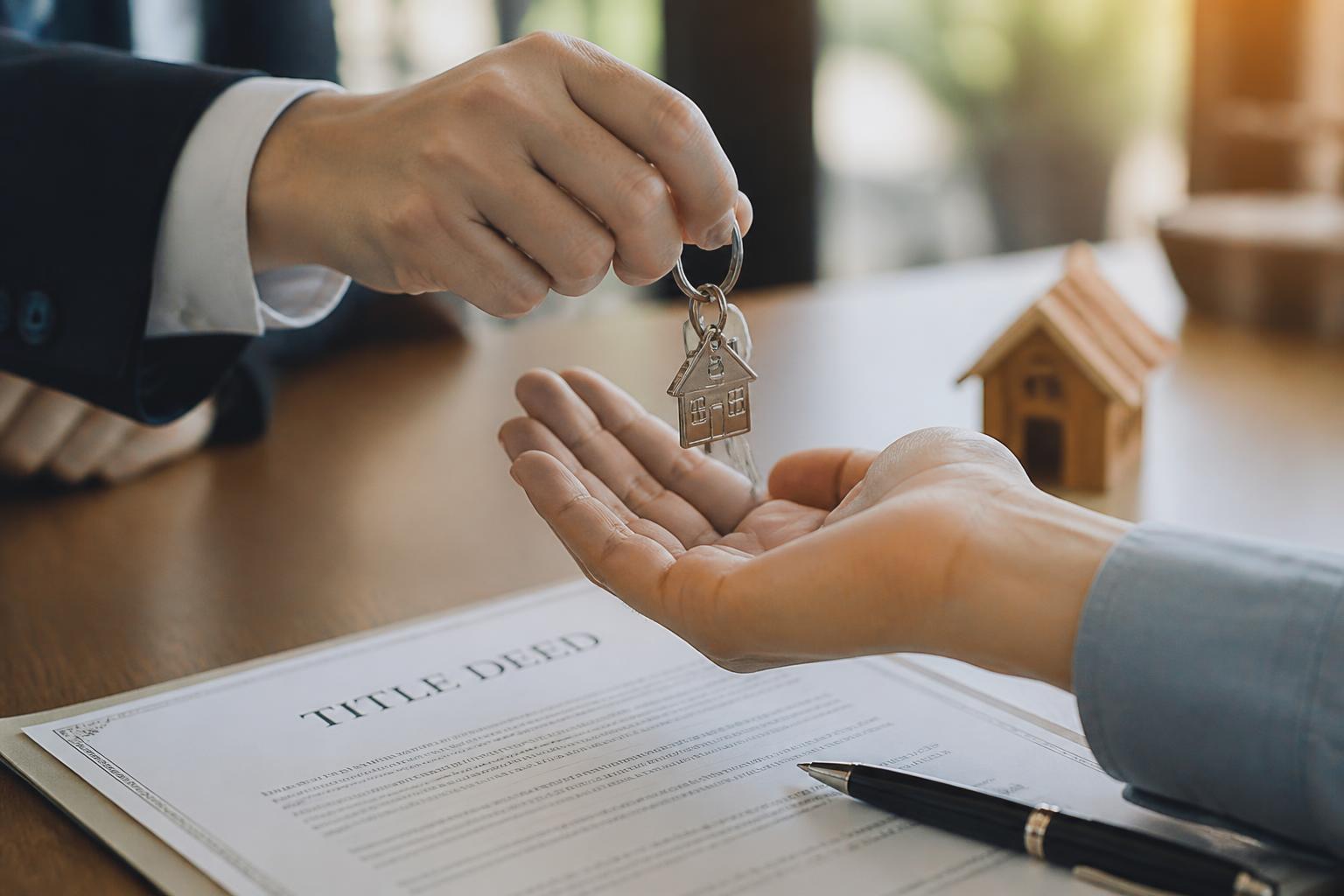

Luxury estate library with documents and keys
For Real Estate Agents

The Next Level of Client Value Is Bigger Than the Closing Table.

Learn how trusts, wills, probate, inherited property, and cloudy title issues can impact real estate — and how to talk about these topics with clients without giving legal advice.

Your clients already ask you questions about their home, their family, their future, and what happens next. The agents who understand how estate planning intersects with real estate are positioned to bring more value, create deeper trust, and become more than a one-transaction agent.

No legal advice. No pressure. Just a practical conversation about how agents can add more value.

Beyond the Closing Table
Recognize the Conversation
Stay in Your Lane
Be Remembered & Referred
The Conversation Gap

Most Agents Are Prepared for the Contract. Fewer Are Prepared for the Conversation After Closing.

Real estate agents are trained to handle listings, buyers, contracts, negotiations, inspections, financing, and closings. But some of the most important conversations happen when life changes.

These moments are where trust is either strengthened or lost. The best agents do not pretend to be attorneys. They know how to recognize when the conversation matters — and when to connect the client to the right professional.

Real-World Scenarios

Everyday Situations Most People Don’t Think About — Until It’s Too Late.

Each of these stories could have looked very different with the right legal paperwork in place. These are the moments where high-value agents step in not to give legal advice, but to recognize the conversation and guide the client to the right professional.

Adult son standing on family land beside a half-built workshop at golden hour
01

The “Mom Said This Land Would Be Mine” Scenario

A son spends $50,000 building a shop, driveway, fencing, or home addition on land because his parent always said, “One day this will be yours.” But the parent never deeded it, never placed it in a trust, never created a legal transfer plan, and never updated the estate documents. Then the parent passes away — and the son finds out the property is not just his. Other siblings, stepchildren, or heirs may have legal rights.

Why this matters

A verbal promise does not clean up title. This is where families get crushed emotionally and financially.

Trust angle

A trust or proper legal instrument could have clearly stated who receives the property, when, and under what terms.

Agent talking point

“Before you invest major money into a property you do not legally own, you may want to speak with an estate planning attorney or title professional.”

Three adult siblings standing apart in front of an inherited family home
02

The Siblings Cannot Agree Scenario

A parent dies without a will or trust. Three siblings inherit the home. One wants to sell. One wants to rent it. One wants to live there rent-free because “Mom would have wanted that.” Now the property is frozen by conflict.

Why this matters

When someone dies without a will, the law decides how property is divided, and probate may be needed depending on the estate and property involved.

Trust angle

A trust could have named a trustee with authority to sell, rent, distribute proceeds, or give one heir the option to buy out the others.

Agent talking point

“This is why the plan needs to be clear before emotions are high and everyone has a different version of what the parent wanted.”

Adult child caregiver helping an elderly father on the porch of a family home
03

The Caregiver Child Who Gets Burned Scenario

One adult child moves in with Dad, takes care of him for 8 years, pays repairs, property taxes, utilities, and maintenance. Everyone in the family says, “You deserve the house.” But Dad never puts that in writing. Dad dies. Now the caregiver child owns the property with siblings who never helped but still have inheritance rights.

Why this matters

The person who paid the most, sacrificed the most, or lived there the longest may not automatically become the legal owner.

Trust angle

A trust could have given the caregiver child the home, a reimbursement, a right to live there, or a structured buyout arrangement.

Agent talking point

“Family understanding is not the same as legal planning.”

Blended family standing in front of an upscale suburban home
04

The Blended Family Blow-Up

A homeowner remarries. He has kids from a prior marriage. His new spouse also has kids. He says, “My wife can live here if I die, but then I want the house to go to my children.” He never creates a trust, life estate, marital agreement, or clear legal plan. He dies. Now the surviving spouse and biological children may be in conflict over who has rights to the home.

Why this matters

Blended family situations can get ugly fast because love, grief, money, and property all collide.

Trust angle

A trust could have clearly stated whether the spouse has the right to live there, who pays expenses, when the home can be sold, and who receives proceeds later.

Agent talking point

“Second marriages are one of the biggest reasons real estate owners should not rely on assumptions.”

Last will and testament on a polished desk with a fountain pen
05

The “We Have a Will, So We’re Good” Scenario

A client says, “We do not need a trust. We have a will.” Then someone passes away, and the family learns the will may still need to be admitted to probate to change title to real property. A valid will controls how an estate is handled, but a will may still need to go through probate to transfer title to certain property.

Why this matters

Many people think a will avoids court. Often, it tells the court what to do.

Trust angle

A properly funded revocable trust may reduce or avoid probate, potentially saving time, court costs, and attorney fees.

Agent talking point

“A will and a trust do not work the same way. That is a great question for an estate planning attorney.”

Old Texas farmhouse on rural family land with a faded for-sale sign
06

The Property Is Still in Grandma’s Name Scenario

Grandma died 22 years ago. Nobody probated anything. Her kids kept living on the land, then some of them died too. Now the grandkids want to sell, but title still shows Grandma as the owner. There may now be 15, 25, or 40 heirs with possible rights.

Why this matters

This is classic heir property. Over time, more relatives can become co-owners, making ownership harder to prove and the title cloudier.

Trust angle

A trust or properly completed estate plan could have transferred ownership clearly after Grandma’s death instead of letting it multiply across generations.

Agent talking point

“The longer a title issue sits, the more expensive and complicated it can become.”

Close-up of a real estate deed document with pens on a desk
07

The “I Added My Kid to the Deed” Mistake

A parent adds one child to the deed because that child “helps with everything.” The parent thinks this is simple. But now that child may be a legal co-owner during the parent’s lifetime. Then the parent dies, and the other siblings say, “That was not supposed to be a gift. They were only helping Mom.” Now the family is fighting over whether the deed was convenience, favoritism, or an intentional transfer.

Why this matters

Adding someone to title can create consequences people did not intend.

Trust angle

A trust, power of attorney, or successor trustee structure could have allowed someone to help manage affairs without casually changing ownership.

Agent talking point

“Changing title is not just paperwork. That needs legal guidance.”

Elderly person’s hand resting on a blanket beside family photo frames
08

The Incapacitated Seller Scenario

A homeowner has dementia, a stroke, or a major health event. The family wants to sell the home to pay for care. But the homeowner cannot legally sign, and nobody has authority. No trust. No durable power of attorney. No court-appointed guardian yet. The transaction is stalled.

Why this matters

Probate is not the only issue. Incapacity can create real estate problems while the owner is still alive.

Trust angle

A funded revocable trust can provide continuity of management if a successor trustee is named and authorized to step in for the person’s benefit.

Agent talking point

“Estate planning is not just about death. It is also about who can act if you cannot.”

Row of suburban rental homes at dusk with warm window lights
09

The Investor With Multiple Properties and No Plan

A landlord owns five rental homes. He dies unexpectedly. Tenants are still paying rent. Mortgages are due. Repairs are needed. Insurance renewals are coming. One property has a pending sale. But nobody knows who has authority to collect rent, sign leases, approve repairs, or close the sale.

Why this matters

Real estate investors often have more moving parts than a typical homeowner.

Trust angle

A trust could have named a successor trustee to manage properties immediately, continue rent collection, make repairs, and follow instructions for selling or holding the assets.

Agent talking point

“If you own multiple properties, your estate plan probably needs to be more than ‘my family knows what I want.’”

Unmarried couple holding hands on the front porch of their home
10

The Unmarried Couple Homeownership Problem

Two people buy or live in a home together but are not married. One dies. The survivor assumes, “This is our house. I stay.” But if the deceased person’s ownership interest was not planned correctly, that interest may pass to heirs — maybe parents, children, or siblings. Now the surviving partner may co-own the home with the deceased partner’s family.

Why this matters

This is brutal because the surviving partner is grieving and may also be fighting to keep their home.

Trust angle

A trust, deed planning, survivorship agreement, or other legal structure could have clarified who owns what and what happens at death.

Agent talking point

“Unmarried ownership needs clear legal planning. Love is real, but title still matters.”

Closing table with contract documents, house keys, and a paused signing scene
11
Bonus

Bonus: The Deal That Falls Apart at Title

The listing looks good. Buyer is ready. Seller is ready. Contract signed. Closing date set. Then title comes back with a problem: the seller is not the only owner. Maybe a deceased spouse was never cleared. Maybe an heir was missed. Maybe a prior estate was never probated. Maybe a deed was never recorded. Maybe the property passed informally through the family. Now the deal is delayed — or dead.

Why this matters

Probate is the court process that legally recognizes death and authorizes estate administration, and court-issued letters may be needed before someone can transfer title to real property.

Trust angle

A properly planned and funded trust could have helped keep authority clear and avoid title surprises.

Agent talking point

“Cloudy title does not usually show up when everyone is calm. It shows up when money is on the line.”

“Your client may trust you with the transaction, but the better question is: are you helping them recognize what could happen to the property after the transaction?”

Most agents know how to sell the house. High-value agents know when the house may need to be protected before it can be sold, inherited, improved, or passed down.

The Big Idea

You Do Not Have to Give Legal Advice to Become the Agent Who Brings More Value.

This is not about turning real estate agents into attorneys. It is about helping agents understand the real-world situations where estate planning, trusts, wills, probate, and real estate collide.

Know the conversation. Know the boundary. Know when to refer.

When an agent understands the difference between a will and a trust at a high level, recognizes potential cloudy title issues, and knows how to guide clients toward qualified professionals, that agent becomes more valuable before, during, and long after the transaction.

Why It's Working

Why Real Estate Agents Are Paying Attention to Estate Planning

01

They Become More Than a One-Transaction Agent

Most agents help a client buy or sell once and then disappear into the noise. Agents who understand legacy conversations have a reason to stay connected and bring value long after closing.

02

They Help Clients Think Beyond the Sale

A home is often the largest asset a family owns. Helping clients recognize that their home may need to be protected, planned for, and passed down creates a deeper level of service.

03

They Know How to Respond When Clients Ask About Trusts or Wills

Clients may casually ask, “Should I get a trust or a will?” Agents need to know how to respond without giving legal advice and how to guide the client toward the right professional.

04

They Understand Why the Difference Between a Will and a Trust Can Matter

Many clients assume a will handles everything. Agents who understand the basic differences at a high level can recognize when a client may need to ask more questions.

05

They Recognize Cloudy Title Before It Becomes a Closing Problem

Agents who have dealt with title issues know how stressful and expensive delays can become. Understanding how poor planning can create ownership confusion helps agents see the bigger picture.

06

They Add Value to Past Clients

Estate planning conversations create a natural reason to reconnect with past clients in a meaningful way that is not just “Do you want to buy or sell?”

07

They Become a Better Resource for Families in Transition

Aging parents, blended families, inheritance, divorce, death, remarriage, and incapacity can all affect real estate. Agents who understand the conversation can serve with more confidence and care.

08

They Build Stronger Referral Relationships

When agents know when to refer to estate planning professionals, attorneys, title professionals, financial professionals, and other advisors, they become part of a stronger client-service network.

09

They Protect Their Own Professional Lane

Knowing what not to say is just as important as knowing what to say. Agents who understand the boundary can be helpful without creating liability.

10

They Stand Out in a Crowded Market

Most agents talk about listings, leads, and commissions. High-value agents talk about protection, planning, legacy, and long-term client relationships.

The agents who win long-term are not just better at transactions. They are better at conversations.

Self-Assessment

Would You Know What to Say?

  • 01

    What would you say if a client asked, “Should I put my house in a trust?”

  • 02

    What would you say if a seller told you, “My dad passed away, and I need to sell his house”?

  • 03

    What would you do if the title company found an ownership issue days before closing?

  • 04

    What would you say if three siblings inherited a house and only one wanted to sell?

  • 05

    How would you explain the difference between being helpful and giving legal advice?

  • 06

    Do your past clients see you as a transaction agent or a long-term resource?

  • 07

    What would it do for your business if clients trusted you beyond the closing table?

These are the conversations that separate average agents from trusted advisors.

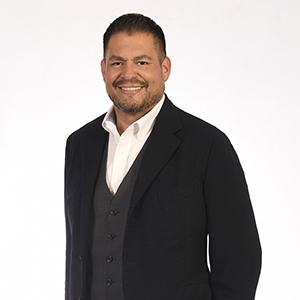
Robby Almogabar, REALTOR® with JLA Realty and estate planning educator

Robby Almogabar

REALTOR® · JLA Realty · Educator

Meet Robby Almogabar

Serving Texas Families in Real Estate Since 1998.

Robby Almogabar has served families in Texas real estate since 1998 and has built his career around helping clients think beyond the transaction. As a REALTOR® with JLA Realty, financial services provider, and estate planning educator, Robby helps agents understand how trusts, wills, probate, inherited property, cloudy title, and family legacy conversations can intersect with real estate.

His approach is practical, compliant, and agent-friendly. Robby does not teach agents to give legal advice. He helps agents recognize common estate planning scenarios, ask better questions, understand professional boundaries, and guide clients toward the appropriate licensed professionals when needed.

Robby believes the home is more than a property. It is often the largest asset a family owns and one of the most meaningful pieces of their legacy.

“You do not have to be an attorney to know when your client may need one.”

Robby's mission is to help real estate agents become more valuable, more referable, and more trusted by learning how to serve clients beyond the closing table.

Beyond the Documents

This Is Not Just About Documents. It Is About Legacies.

A home is where families grow, memories are made, wealth is built, and legacy begins. But when there is no plan, that same home can become a source of stress, confusion, delays, and family conflict.

Real estate agents are often the first professional a client calls when something changes. The question is not whether these conversations will come up. The question is whether you will be prepared when they do.

Being prepared does not mean giving legal advice. It means knowing how to recognize the moment and guide the client to the right next step.

Luxury family home at golden hour
The Invitation

Become the Agent They CallBefore, During, and Long After the Closing.

Request a Discovery Call

Learn how becoming an Estate Planning Agent can help you bring more value to homeowners, create deeper client trust, and open meaningful conversations around protecting the home, the family, and the legacy they’re building.

This is not about giving legal advice. It’s about knowing how to recognize the need, start the conversation, and connect your clients with the right resources before life forces the issue.

Book a Discovery Call